9+ curated guides • Updated October 2025
Your suit is a uniform, a carefully constructed armor for the modern world. But while everyone else obsesses over the perfect tie knot or a crisply folded pocket square, the most powerful statement is being made in a place they least expect: your lapel. This small piece of real estate, so often overlooked, is the final frontier of personal expression in menswear. It’s where the uniform ends and the individual begins. Forget seeing the brooch as a mere decorative flourish; it is your sartorial signature, a condensed narrative that communicates your values, your history, and your intent before you've even spoken a word.
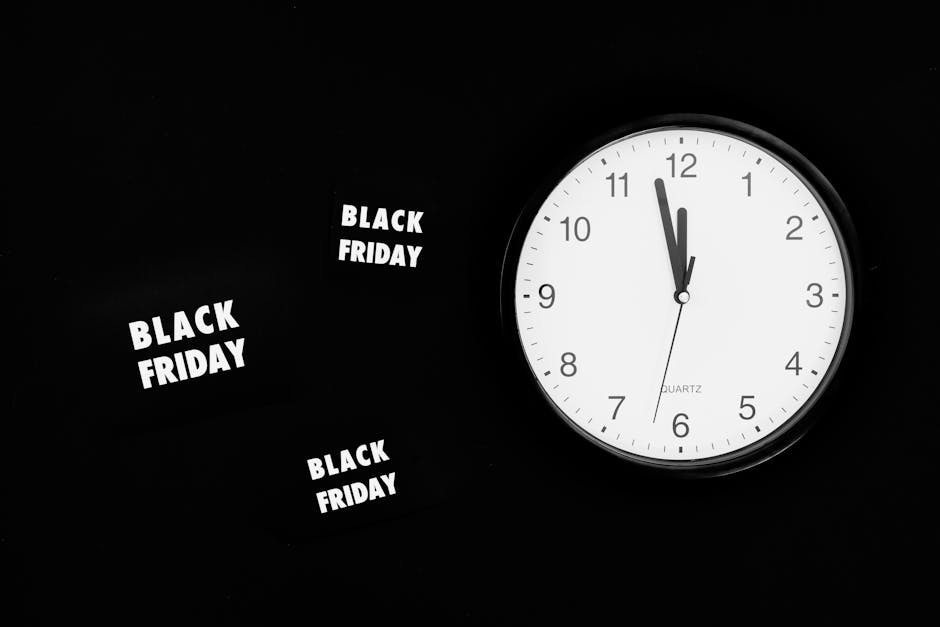
You think knowing Walmart's Black Friday hours gives you an edge? Think again. The 6 AM opening isn't a random time; it's a carefully calculated signal designed to manage crowds, create urgency, and dictate which deals you'll actually get. This guide isn't about telling you the time—it's about teaching you how to read the clock like a master strategist. We're pulling back the curtain on the retail theater, showing you how the timing of the event is the most important deal you'll never see in a flyer. Understanding this clockwork code is the difference between being a pawn in their sales game and becoming the king or queen of the checkout line.
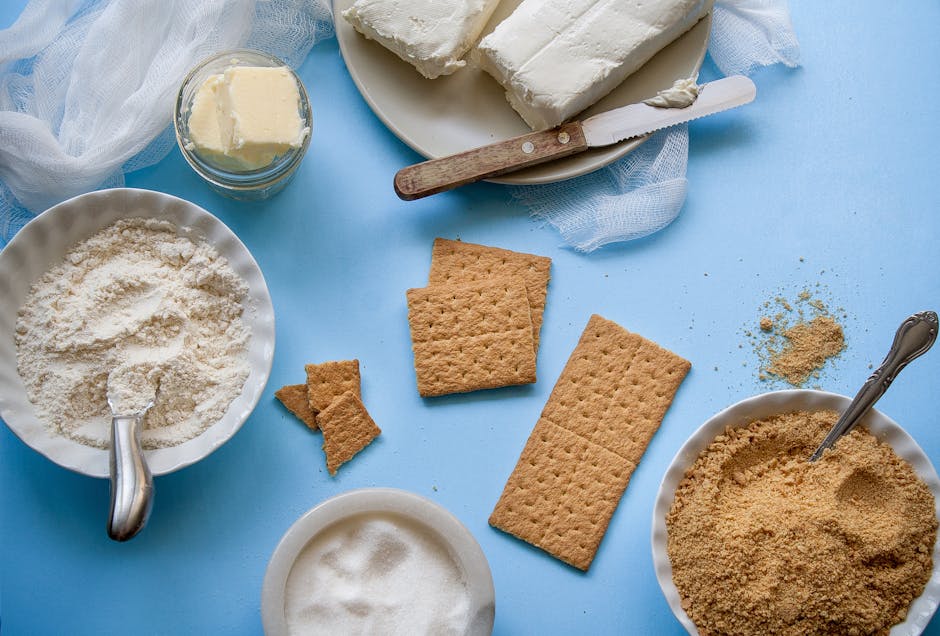
Stop chasing the internet's 'perfect' peanut butter cookie recipe and start engineering your own. We're breaking down the simple food science—from the role of brown sugar to the melting point of your butter—so you can control the outcome and finally bake the exact cookie you've been craving, every single time. This isn't about finding a single recipe; it's about understanding the system. The peanut butter cookie is a beautiful matrix of interacting variables: fat, sugar, flour, and leavening. By adjusting the levers on each of these components, you become the architect of your own ideal cookie. Whether you crave a cookie that bends without breaking, one that snaps with a satisfying crackle, or one that yields like a soft pillow, the power is in your hands. Let's enter the matrix.
We see celebrities on talk show couches and in blockbuster films, always polished and prepared. But what happens when the script is gone and the teleprompter is replaced by a lightning-fast buzzer? 'Celebrity Jeopardy!' is more than just a charity game; it's a fascinating, public X-ray of character, revealing who crumbles, who thrives, and who has the intellectual grit hiding beneath the glamour. This isn't about judging raw intelligence. It's about observing the human software running under extreme duress. The show is a controlled experiment where the variables are categories like "World Capitals" and "Potent Potables," and the results are raw, unfiltered glimpses into the celebrity psyche. Forget the rehearsed anecdotes and media training; for thirty minutes, we get to see the processing speed, the knowledge gaps, and the competitive wiring of people we thought we knew.
You've tried it all: browned butter, expensive chocolate, a sprinkle of sea salt. But what if the greatest chocolate chip cookie of your life isn't about what you put in the dough, but how long you're willing to wait? We tested the same batch at 0, 24, 48, and 72 hours—the results will change how you bake forever. For years, in both my professional lab and my home kitchen, I chased the phantom of the 'perfect' cookie. I manipulated fats, sugars, and flours with scientific precision. Yet, the most profound discovery I made wasn't a new ingredient, but a new process: strategic patience. This article isn't another list of things to buy; it's a deep dive into the science of dough aging and a timeline of how a simple bowl of raw ingredients can metamorphose into a cookie with breathtaking complexity. Prepare to rethink everything you know about baking.
You came here for the Celebrity Big Brother schedule, and don't worry, you'll get it. But have you ever wondered why a double eviction happens on a Tuesday, or why a food budget reveal is scheduled right after a brutal task? As a former producer, I can tell you: nothing is random. The schedule is the secret blueprint for chaos, and I'm going to show you how to read between the lines. Forget the glossy TV guide. The real schedule is a document that lives in the control room, scrawled with notes and contingency plans. It's a weaponized timeline designed for one purpose: to strip away the polished celebrity veneer and expose the raw, reactive human underneath. Every task, every nomination, every letter from home is a carefully timed catalyst. We're not just making a TV show; we're building a pressure cooker and methodically turning up the heat. This article isn't just a schedule—it's your key to the control room.
Everyone knows April's birthstone is the diamond, a symbol of everlasting brilliance. But in the 21st century, the most important question isn't about cut or clarity—it's about creation. The choice you make between a diamond pulled from the earth and one grown in a lab tells a powerful, and deeply personal, story about the world you want to live in. As an insider who has seen both sides of the curtain, I can tell you that this decision is no longer a fringe consideration; it is the central conversation in modern jewelry. This isn't about saving money. It's about defining what 'precious' truly means to you.
Let's be honest about stuffed peppers. They're a brilliant idea in theory, but often a mushy, time-consuming mess in practice. Forget the tedious stuffing and delicate balancing act; we're breaking all the rules to create a deconstructed, one-pan version that delivers superior flavor and gives you your weeknight back. This isn't just a shortcut; it's a culinary upgrade. We're trading the flawed tradition for a method that champions browning, caramelization, and textural contrast—the very elements of deliciousness that the classic stuffed pepper actively suppresses.
In 2022, our handbags got weird. We carried impossibly tiny bags that couldn't fit a phone, or massive totes that could hold a weekend's worth of emotional baggage. This wasn't a random fashion fluke; it was a cultural conversation about who we became after the world changed. The accessories we chose to carry became our unwilling confessionals, broadcasting our anxieties, our newfound bravado, and our desperate search for control in a world that felt anything but. From the theatrical absurdity of the micro-bag to the cavernous security of the oversized tote, each trend was a chapter in our collective psychological recovery. This was not about utility; it was about identity.